Biometric Verification Enhancing Access to Global Betting Platforms and Live Venues
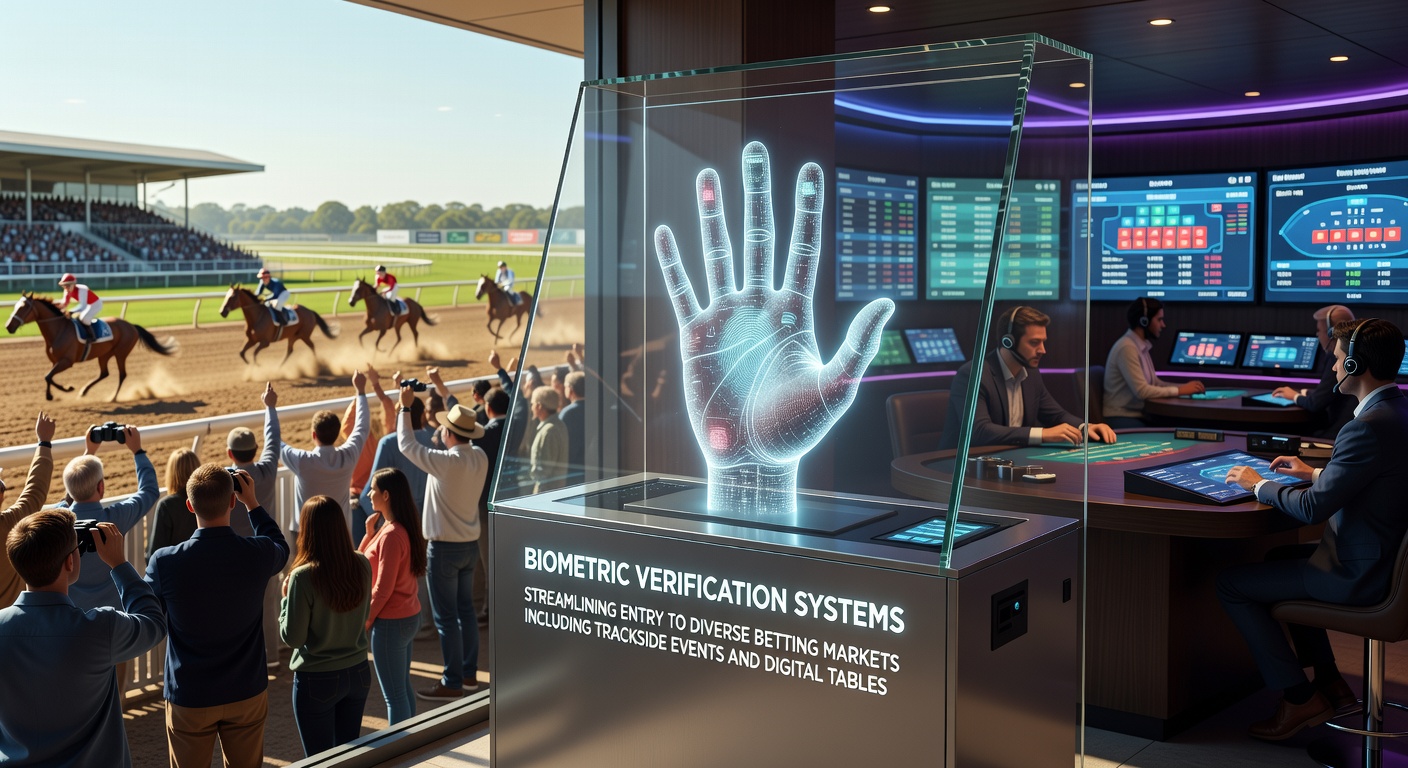
Biometric verification systems now handle entry protocols across betting environments that range from physical racetracks to virtual casino interfaces, and these tools match facial patterns, fingerprints, or iris data against stored records in seconds. Operators deploy the technology to meet regulatory standards while reducing friction for users who place wagers on soccer matches, horse races, or live dealer tables. Data from industry deployments shows average verification times dropping below 10 seconds once initial enrollment completes, which allows seamless transitions between account creation and active betting sessions.
Core Technologies Driving Entry Efficiency
Facial recognition leads adoption rates because cameras integrated into mobile apps and venue kiosks capture images without physical contact, whereas fingerprint scanners appear more frequently at trackside terminals where users already interact with hardware. Iris scanning remains limited to high-security digital tables because it requires specialized hardware that many consumers lack on personal devices. Research indicates that multimodal systems combining two biometric types achieve accuracy rates above 99 percent, which minimizes false rejections during peak betting periods such as major racing festivals.
Systems connect directly to payment processors and risk engines so that once identity clears, users gain immediate access to deposit functions and betting markets. This integration matters in May 2026 because several North American jurisdictions expanded live event permissions, requiring operators to verify attendees on-site before they access trackside betting windows or mobile apps linked to the same account.
Applications at Trackside Events
Racetrack operators in regions including parts of Australia and Canada have installed biometric gates that replace traditional ticket scanning with facial matching against pre-registered profiles. Attendees enroll once through a secure portal, after which repeat visits require only a brief look at the camera. Figures from venue operators reveal throughput increases of 35 percent during busy race days because lines move faster and staff focus shifts from manual checks to customer service.
Digital overlays at these venues let verified users switch between physical windows and mobile betting interfaces without re-authenticating. A user who places a wager at a trackside terminal can later access the same account from a phone to follow real-time odds on related soccer fixtures, all while the system maintains continuous identity assurance through periodic passive checks.
Integration with Digital Table Environments
Online platforms offering roulette, blackjack, and baccarat tables now embed biometric prompts at login and at intervals during extended sessions. The process confirms that the account holder remains the active participant, which addresses regulatory concerns around account sharing. Live dealer streams benefit because operators can link biometric confirmation to session logs that regulators review during audits.
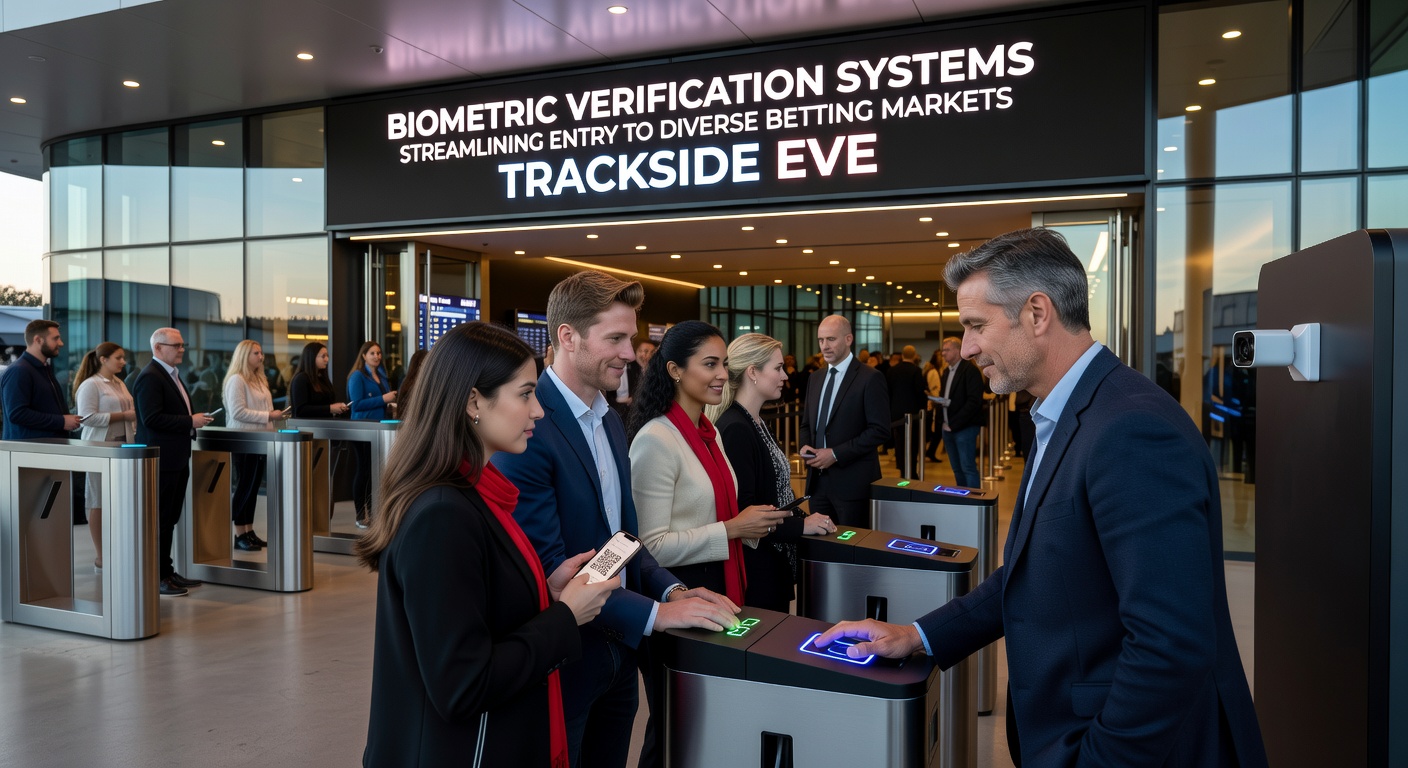
European operators report that biometric-enabled tables see higher retention because players avoid repeated password resets or two-factor code entries. One platform documented a 22 percent rise in average session length after rollout, attributing the change to reduced interruptions during live dealer rounds. The same infrastructure supports cross-market play so that a verified user can move from a digital table to soccer in-play markets without additional identity steps.
Regulatory Alignment and Data Handling
Jurisdictions outside the United Kingdom have updated guidelines to recognize biometric methods as acceptable identity assurance tools. The Responsible Gambling Council in Canada published findings that biometric systems help operators meet age and identity verification mandates more consistently than document-upload methods alone. Similar updates appear in certain Australian state frameworks where venue operators must demonstrate real-time identity matching at entry points.
Data protection remains central because biometric templates undergo encryption and storage separate from betting histories. Providers use one-way hashing so that raw images never persist on company servers after initial processing. Observers note that this separation reduces breach impact risks compared with traditional credential storage models.
Performance Metrics Across Markets
Deployment data collected through 2025 and into May 2026 shows verification success rates stabilizing above 97 percent across both trackside and digital channels once users complete enrollment. False positive incidents occur mainly during enrollment when lighting or camera angles vary, yet follow-up prompts resolve most cases within two attempts. Cost analyses from operators indicate that initial hardware and software investments recover within 18 months through reduced manual review labor and lower chargeback volumes linked to account takeover attempts.
Cross-border operators face additional complexity when biometric standards differ between markets. Systems that support configurable thresholds allow platforms to tighten or relax matching criteria based on local rules without rebuilding entire verification pipelines.
Future Developments in Verification Infrastructure
Hardware miniaturization continues to expand where biometric readers appear, including wearable devices and vehicle-based systems for mobile betting at events. Software improvements focus on liveness detection that distinguishes real users from photos or deepfakes, an area where academic studies from institutions such as those tracked by the American Gaming Association emphasize ongoing refinement. These advances support broader market access while maintaining compliance across diverse regulatory landscapes.
Conclusion
Biometric verification has shifted from optional enhancement to standard infrastructure component for operators managing trackside events alongside digital table offerings. The technology delivers measurable gains in entry speed and regulatory adherence while supporting fluid movement between physical and virtual betting environments. Continued hardware and software evolution will likely extend these capabilities into additional markets as adoption widens through 2026 and beyond.