Digital Currents Fueling Early Incentives in Equine Events and Gridiron Probabilities
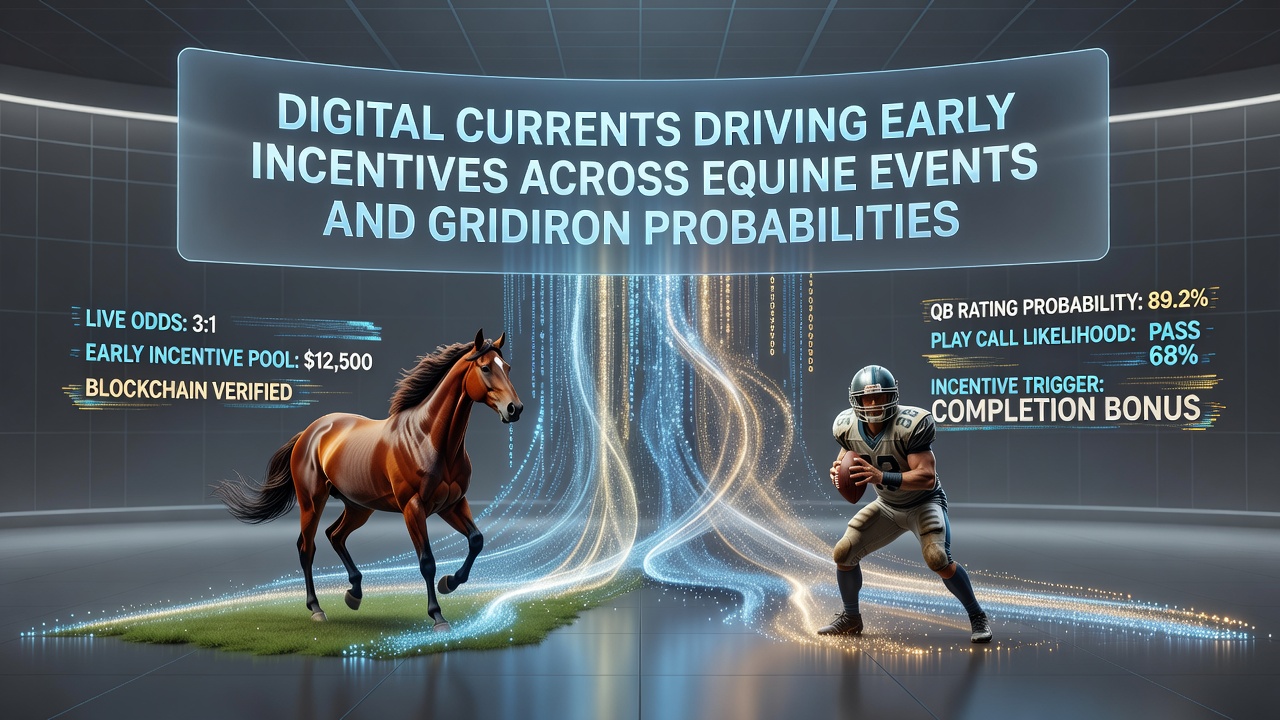
Digital payment systems continue to reshape how operators deliver early incentives across horse racing circuits and American football betting platforms, with instant transfer technologies enabling real-time bonus activations that align with event schedules. Data from industry reports shows mobile wallet adoption in sports wagering reached notable levels by early 2026, particularly where equine events and gridiron matchups intersect with live odds adjustments.
Payment Speed Meets Event Timing
Operators integrate e-wallet solutions that process deposits within seconds, allowing bettors to claim welcome offers before post times at major tracks or kickoffs in professional football leagues. This integration matters because equine calendars feature concentrated racing meets while gridiron seasons run weekly, creating overlapping windows where early incentives can influence participation rates. Figures from the American Gaming Association indicate that sports betting handle in the United States exceeded prior quarterly benchmarks during the 2025-26 period, with mobile transactions accounting for the majority of activity.
What's interesting here is how these systems reduce friction between account funding and bet placement, especially when promotions tie directly to specific races or games. Researchers at academic institutions tracking gambling technology note that seamless payment flows correlate with higher engagement during marquee events, though regulatory frameworks in various jurisdictions continue to monitor promotional structures.
Equine Events and Incentive Structures
Horse racing operators have adopted digital currents to push targeted offers ahead of festival weekends and graded stakes races, using data analytics to match bonuses with bettor preferences for certain tracks or horse categories. In June 2026, several North American tracks reported increased mobile sign-ups coinciding with mid-season meets, where instant deposits unlocked enhanced odds or free bets on featured races. These patterns emerge because payment rails now support cross-border transactions that accommodate international bettors following global circuits.
Evidence from regulatory filings shows that jurisdictions outside the UK, including parts of Australia and Canada, have seen similar shifts toward real-time reward distribution. One study from a university research group highlighted how API connections between betting apps and financial providers cut processing times dramatically, allowing incentives to activate before the first race post.
Gridiron Probabilities and Digital Activation
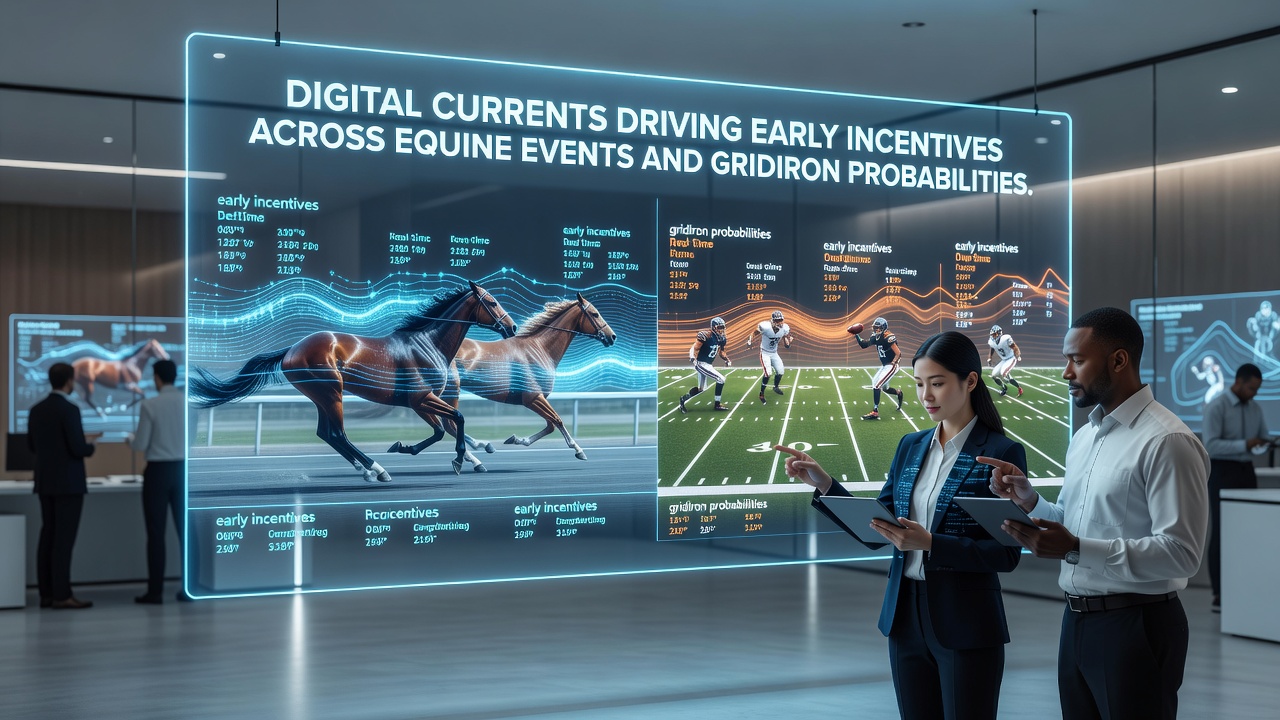
American football betting markets rely heavily on probability models that update throughout the week, and digital payment innovations let operators layer early incentives onto these dynamic odds. Bettors who fund accounts via instant methods gain access to probability-based promotions, such as boosted payouts on specific game outcomes or parlay enhancements tied to weekly matchups. Reports compiled by the National Council on Problem Gambling in the United States note rising volumes of mobile sports wagers during the 2025 season, with payment speed cited as a contributing factor in participation timing.
Operators use these tools to distribute incentives that reference live probability shifts, creating opportunities around injury reports or weather updates that affect game lines. Data indicates remote platforms handling gridiron action recorded substantial growth in account activity when paired with same-day funding options, particularly as seasons progressed into playoff phases.
Cross-Market Technology Patterns
Both equine and gridiron segments share common digital infrastructure that supports early incentive delivery, including tokenization for secure transfers and real-time verification protocols. Industry organizations such as the World Lottery Association have documented how standardized payment interfaces help operators scale promotions across different event types without manual intervention. This matters in June 2026 because overlapping international racing calendars and football off-seasons create continuous demand for responsive systems.
Those who've examined transaction logs observe that bettors frequently move between horse racing and gridiron markets within single sessions when payment flows remain uninterrupted, allowing incentives from one category to influence activity in the other.
Regulatory and Market Context
Government agencies in multiple regions continue to track how digital payment adoption affects promotional compliance, with emphasis on transparency around early incentives. Australian state regulators, for instance, have released periodic updates on wagering technology standards that intersect with bonus mechanics, while Canadian provincial bodies monitor similar developments in sports betting frameworks. These oversight efforts focus on ensuring that instant systems do not compromise responsible gambling measures already embedded in operator platforms.
Market analysts note steady expansion in digital channels serving both equine events and gridiron betting, driven by consumer preference for speed rather than any single regulatory change.
Conclusion
Digital currents in payment technology sustain early incentive programs that span horse racing meets and American football betting markets, with data confirming higher transaction volumes where instant processing aligns with event calendars. Observers note continued evolution in these systems through 2026, supported by infrastructure improvements and cross-jurisdictional payment standards that keep pace with seasonal demands in both sectors.