Payment Systems Driving Changes in Mobile Sports Betting and Casino Engagement
 Payment solutions have become central to mobile sports betting and casino activities as users seek faster access to funds and quicker processing times. Observers note that these tools influence how participants select platforms and manage their sessions across different regions. Data from industry reports indicate that mobile transactions now account for the majority of activity in several markets because they reduce friction during live events and game rounds. Developments in digital wallets and instant transfer options allow enthusiasts to move money between accounts and betting interfaces with minimal delays. Research from the University of Nevada Reno Gaming Research Center shows that transaction speed correlates with session duration in both sports and casino environments. Those who study user behavior find that platforms offering multiple payment choices tend to retain participants longer during peak periods such as major soccer matches or live dealer tables.
Key Payment Methods and Their Adoption Patterns
Traditional bank transfers remain available yet users increasingly favor e-wallets and mobile-specific options that integrate directly with apps. Figures reveal that adoption rates for contactless payments rose steadily through 2025 and into mid-2026 with particular growth noted in July when seasonal events drove higher volumes. According to statistics compiled by the Australian Communications and Media Authority, mobile wallet usage in regulated gaming reached new levels during that period as operators expanded compatibility with local banking systems.
Digital currencies appear in select markets though regulatory differences affect their spread. Experts observe that regions with clearer frameworks see steadier integration while others maintain focus on established methods like credit cards and prepaid vouchers. Those who track transaction data note that security features such as tokenization and biometric verification have become standard across leading providers because they address concerns about unauthorized access.
Impact on Sports Betting Activities
Live sports betting benefits directly from rapid deposit and withdrawal capabilities since odds change quickly during matches. Participants can fund accounts between plays without leaving the mobile interface which supports continuous engagement. Studies indicate that platforms with sub-minute processing times record higher bet volumes during events like tennis tournaments and basketball games where timing matters.
Operators have introduced features that link payment confirmations to bet placement so users experience fewer interruptions. Evidence from market analyses suggests that these integrations encourage smaller repeated wagers rather than single large transactions. In July 2026 reports highlighted increased activity in mobile soccer betting where instant top-ups aligned with in-game developments.
Effects on Casino Game Participation
Casino games on mobile devices rely on seamless payments to maintain flow during slots sessions or table play. Players often switch between games and payment screens so quick access prevents loss of momentum. Data shows that casinos offering integrated wallet solutions see elevated retention metrics compared with those limited to slower methods.
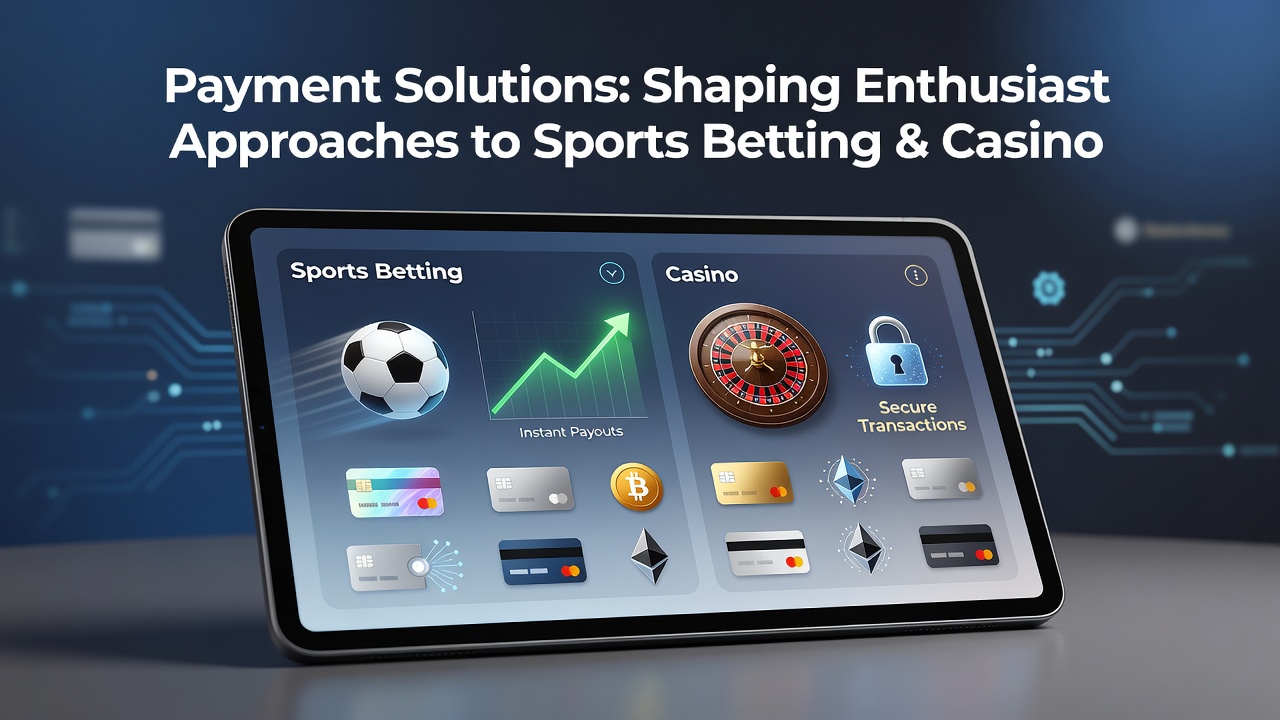
Bonus structures frequently tie into first deposits which makes the initial transaction experience critical. Observers note that clear processing times and transparent fees help users plan their participation more effectively. Research indicates that casino apps with streamlined verification steps achieve broader user bases across age groups that prefer mobile access.
Regulatory and Security Considerations
Authorities in various jurisdictions continue to update rules around payment processing to balance consumer protection with operational efficiency. Compliance requirements often include verification protocols that affect how quickly new users can begin playing. Those monitoring policy changes point to ongoing adjustments in Canada and parts of Europe where standards emphasize transaction monitoring without excessive delays.
Security remains a priority as fraud attempts target mobile channels. Industry organizations report that encryption standards and multi-factor authentication have reduced successful breaches in recent years. Data from the National Council on Problem Gambling further connects secure payment environments with responsible gaming tools such as deposit limits that users can adjust through the same interfaces.
Future Developments Expected After July 2026
Emerging technologies including enhanced real-time settlement and cross-border compatibility are under discussion among providers. Analysts project continued growth in mobile payment volumes as 5G networks expand coverage and reduce latency issues. Observers expect operators to test new combinations of payment types that align with evolving user preferences in both sports and casino segments.
Collaboration between financial institutions and gaming platforms may produce additional options that further integrate daily banking with entertainment activities. Figures from ongoing studies suggest that these advancements will maintain focus on compliance while supporting faster experiences across devices.
Conclusion
Payment solutions continue to shape participation patterns in mobile sports betting and casino games through speed, security, and accessibility features. Available data demonstrate measurable effects on user behavior and platform performance across multiple markets. As systems evolve through 2026 and beyond, their role in facilitating these activities remains central to operational strategies and user engagement metrics.