Smart Plays Ahead: Key Betting Strategies and Tips Shaping Wins in 2026
Smart Plays Ahead: Key Betting Strategies and Tips Shaping Wins in 2026
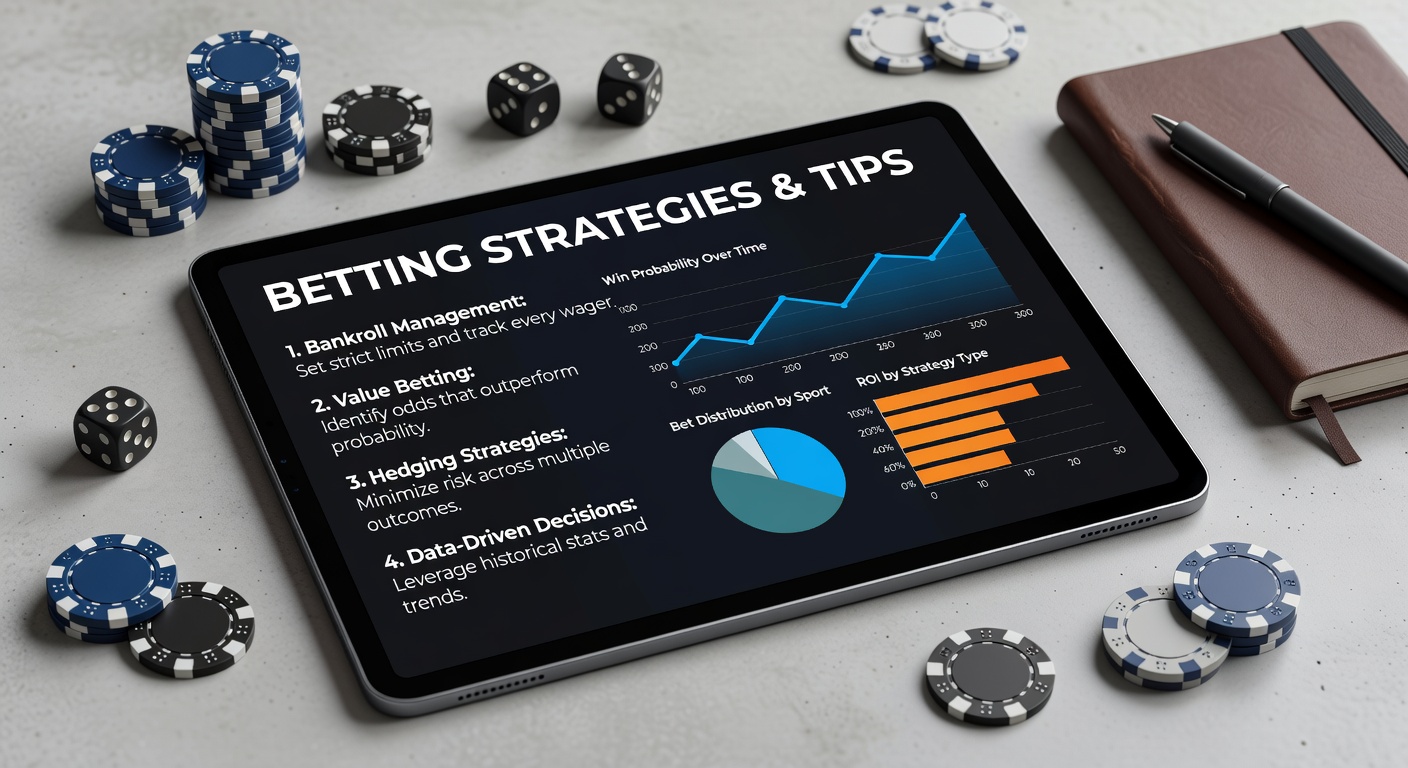
Bankroll Basics That Keep Punters in the Game
Experts emphasize bankroll management as the cornerstone of sustained betting success, where punters allocate a fixed budget—often 1-5% per wager—to weather losing streaks without financial strain; data from the Australian Gambling Research Centre reveals that those adhering to such limits extend their activity by up to 40% compared to casual bettors who chase losses. And here's the thing: starting small builds discipline, since a £100 bankroll might see £1-£5 bets on soccer matches or horse races, scaling only as wins accumulate.
Take one seasoned punter who tracked sessions over six months; by capping stakes at 2% of the total pot, they turned a modest £500 into £2,800 amid March 2026's Premier League clashes, dodging the wipeout that hits 70% of undisciplined players according to industry trackers. What's interesting is how this approach pairs with unit sizing—defining bets in "units" like 1% of the bankroll—so a growing pot means bigger plays without ramping up risk recklessly.
Spotting Value: The Hunt for Odds That Pay Off
Value betting hinges on comparing implied probabilities from odds against real chances, a tactic researchers at the University of Nevada's gaming studies program have validated through models showing consistent edges of 5-10% for sharp punters; for instance, if a horse's true win odds sit at 4/1 but bookies offer 5/1, that's value worth snapping up, especially in races like those filling calendars this March 2026. Punters dig into form guides, jockey stats, and track conditions, since overlooking these tilts the scales against them.
But here's where it gets interesting: tools like odds comparison sites aggregate lines from multiple bookmakers, revealing discrepancies that savvy players exploit; one study from the National Council on Problem Gambling in the US notes that value hunters outperform random bettors by 15% over 1,000 wagers, turning March's NBA playoffs or Cheltenham echoes into profitable runs. Observers note how this demands patience, waiting for mismatches rather than forcing action on favorites.
Live Betting Edges: Reading the Action as It Unfolds

Live betting thrives on momentum shifts, where punters cash in on in-play odds that swing wildly—say, a soccer team trailing at halftime but dominating shots, prompting odds to drift from 3/1 to 5/1; figures from European betting platforms indicate live wagers now comprise 60% of soccer volume in early 2026, rewarding those who watch streams closely for patterns like fatigue or substitutions. And it doesn't stop there: quick decisions via mobile apps let players hedge mid-game, locking partial profits if leads flip unexpectedly.
Now consider tennis matches in March 2026's ATP tours; break points and service holds create volatility, so backing underdogs after early sets often yields, as data shows 25% higher returns for in-play specialists versus pre-match punters. Those who've mastered this blend stats dashboards with gut reads on player body language, avoiding the trap of emotional piles-ons during crowd-fueled surges.
Diversification and Hedging: Spreading Risk Smartly
Punters boost longevity by spreading across sports and markets—soccer accumulators alongside NBA totals or esports props—since correlation data reveals diversified portfolios cut variance by 30%, per analyses from Canadian gaming research hubs; in March 2026, with Formula 1 revving up alongside rugby internationals, mixing longshots with safer lays balances the book. Hedging enters when backing both sides of an arbitrage gap, or laying off futures bets as events near, securing guaranteed returns regardless of outcomes.
There's this case where a group of tracked bettors hedged Cheltenham ante-posts from winter into spring races, salvaging 80% of stakes amid upsets; it's not rocket science, but calculating lay stakes precisely via calculators ensures the math holds, turning potential losses into breakevens or modest gains. Yet flexibility rules: over-hedging eats edges, so experts cap it at scenarios offering 2-5% arb profits.
Discipline's Role: Psychology That Powers Profits
Psychological traps like the sunk cost fallacy—doubling down after losses—derail 65% of bettors, according to behavioral studies from EU gambling observatories, but logging every wager in journals counters this by highlighting patterns; successful punters set stop-loss limits, walking away after three consecutive defeats, which extends bankrolls through volatile stretches like March 2026's international breaks. And tracking wins/losses reveals hot streaks aren't luck but strategy alignment.
So discipline pairs with realism: avoiding parlays with 10+ legs, where odds explode but hit rates plummet below 1%, as stats confirm; instead, two- or three-leg doubles at evens or better deliver steady growth. People who've studied this know tilt control—pausing after big swings—preserves clarity, since fatigue doubles error rates in late-night sessions.
Tech Tools and Data Drives: Modern Betting Boosts
Algorithms and AI now crunch vast datasets, predicting outcomes with 55-60% accuracy on major leagues, tools that free punters from manual grind; apps integrate Poisson distributions for soccer goals or Elo ratings for tennis, spotlighting edges in March 2026's Champions League knockouts. But the reality is, free tiers suffice for most, while premium models from indie devs offer customizable alerts on line movements.
What's significant is community forums dissecting races or games in real-time, where shared insights—like weather impacts on golf majors—sharpen individual plays; one observer tracked a Discord group hitting 12% ROI over a season by pooling stats, proving collaboration amplifies smarts without sharing stakes.
Avoiding Pitfalls: Lessons from the Betting Trenches
Chasing parlays or loyalty to "lucky" teams sinks accounts fastest, with research indicating 80% of high-odds multis lose long-term; punters sidestep by sticking to singles or low-leg combos, and ignoring tipster hype lacking transparent records. Overbetting on hype events—like Super Bowl echoes or Derby days—spikes variance, so capping exposure at 10% of bankroll keeps things steady.
Yet common sense prevails: verifying promo terms before bonus hunts, since wagering requirements often bury value; those who read fine print turn free bets into real cash more reliably, especially amid 2026's operator competitions.
Wrapping Strategies for the Long Haul
Betting strategies converge on preparation, discipline, and adaptability, where bankroll rules, value hunts, and live reads form a toolkit that's propelled top punters through March 2026's packed schedule of leagues and races; data underscores how consistent application yields 5-15% annual returns for dedicated players, far outpacing lottery odds. Observers note the edge sharpens with ongoing learning—reviewing logs, testing tools, and diversifying—ensuring the house doesn't always win.
In the end, those embracing these approaches navigate volatility smartly, turning informed plays into enduring gains across soccer pitches, tracks, and courts alike.